Dry Running
One of the most frequent causes of failure is the seal operating without the fluid film that lubricates it, generating excessive heat and damage to the sealing faces. This usually happens due to cavitation, pump priming issues, or low fluid levels.
Incorrect Installation
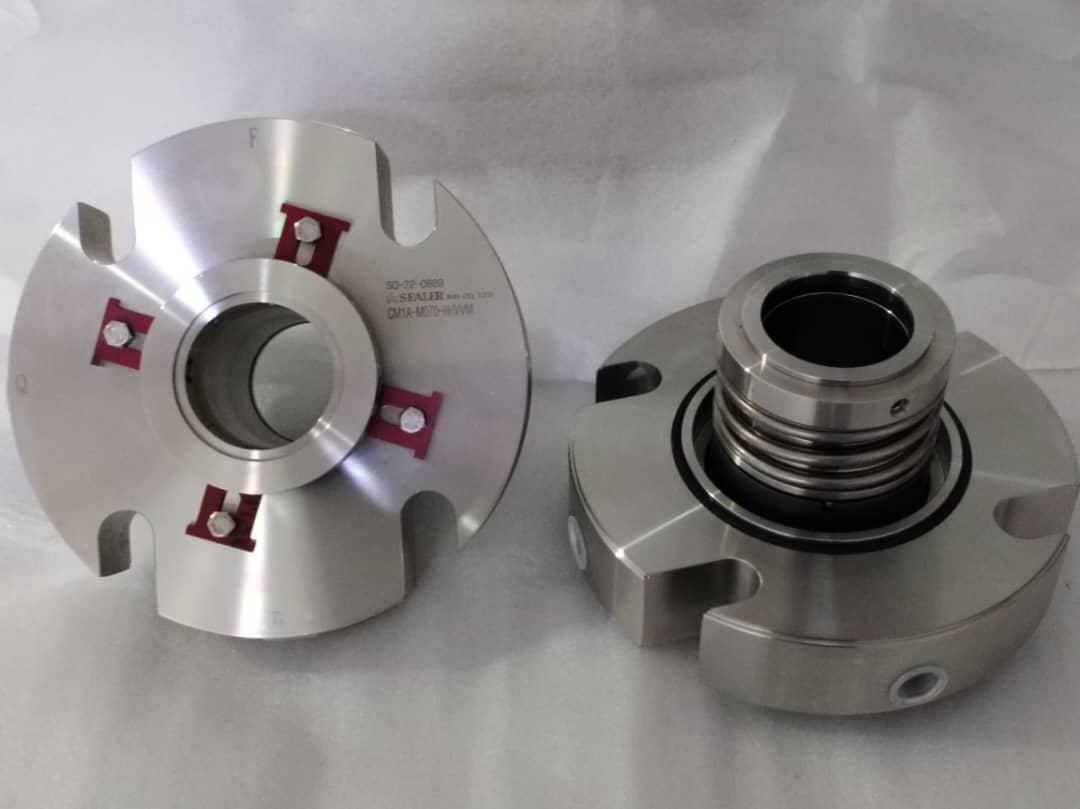
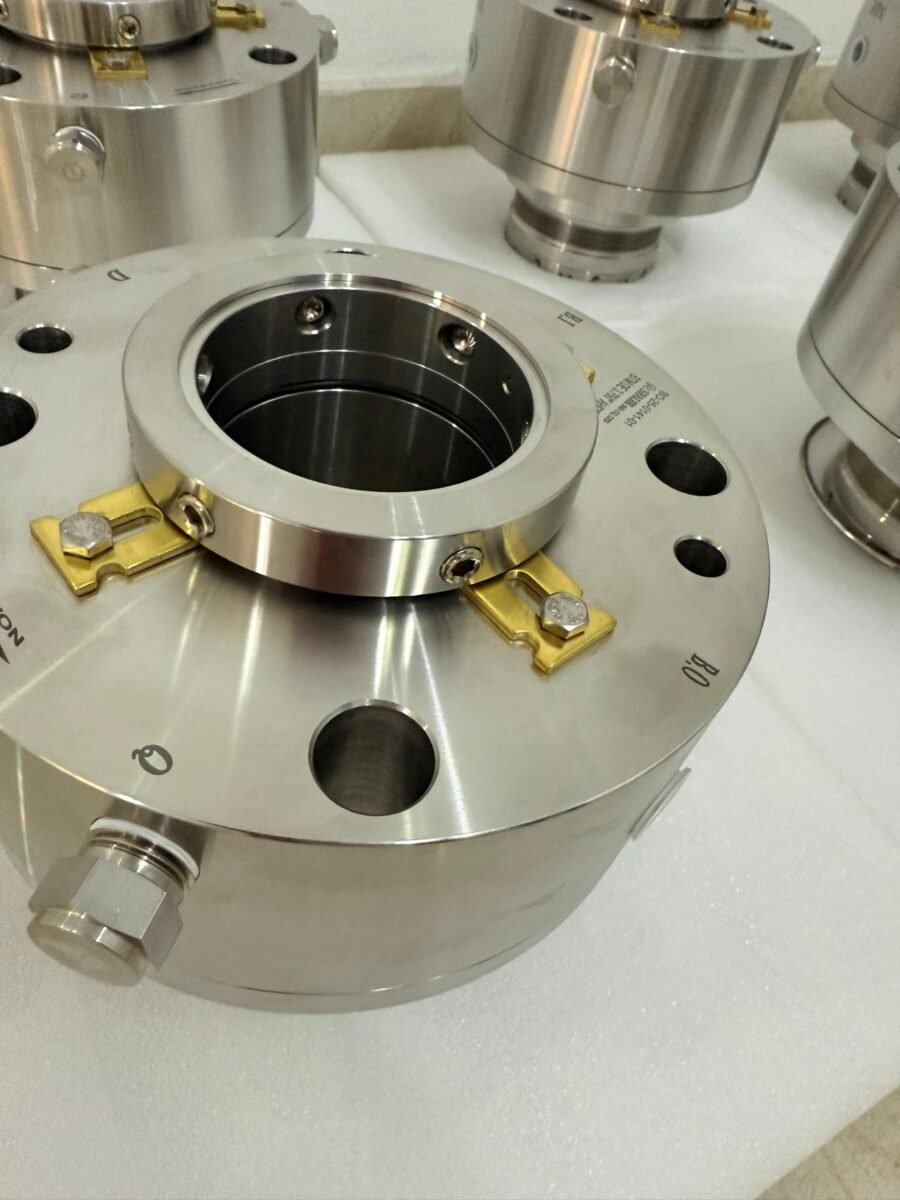
A poorly installed seal — misaligned, with incorrect compression, or damaged during assembly — can fail within days. Cartridge seals help reduce this risk by simplifying installation.
Chemical Incompatibility
Using a seal with materials that are not compatible with the process fluid causes swelling, hardening, or degradation of the elastomer, leading to premature leaks.
Shaft Misalignment and Vibration
Mechanical misalignment of the equipment creates uneven stress on the seal faces, accelerating wear. Predictive maintenance (vibration, temperature) helps detect this problem before it causes a failure.
How to Prevent These Failures
The combination of correct seal selection, careful installation, and preventive maintenance drastically reduces the failure rate. At Y&AR Asociados we can help you diagnose the root cause if you’re experiencing recurring failures.
Reduce the Risk from the Selection Stage
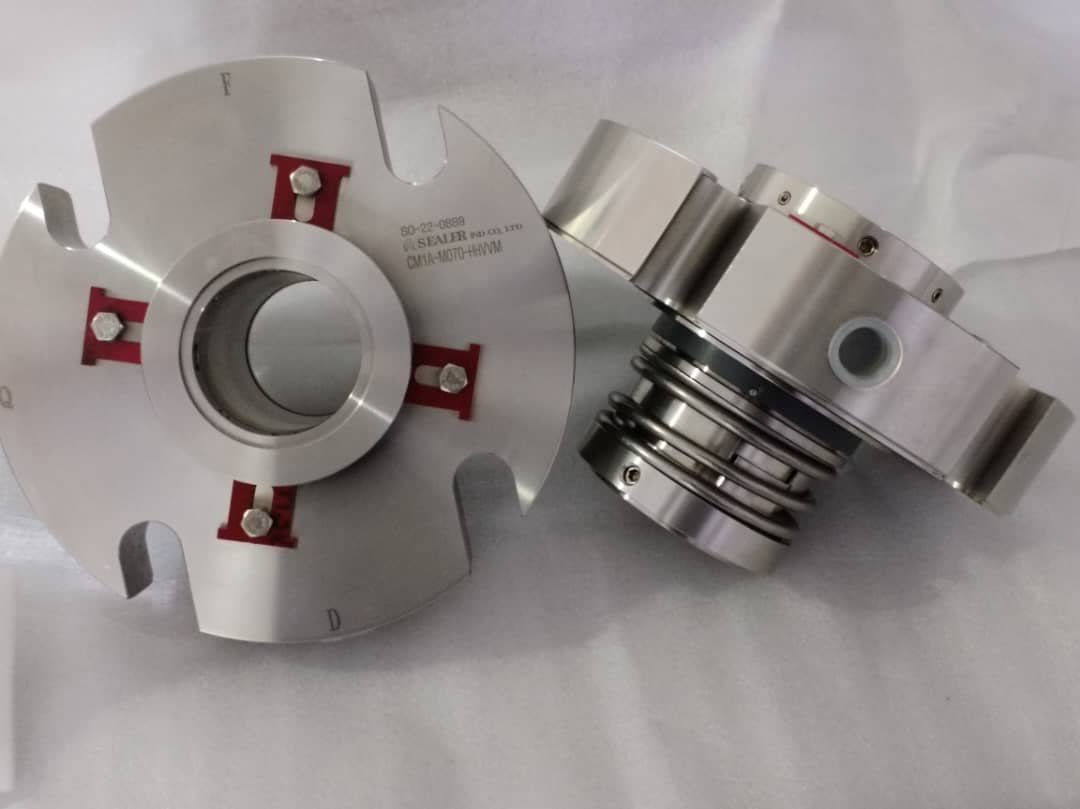
Many of these failures are prevented starting with the correct seal selection. Check out our guide on how to choose the right mechanical seal for your equipment and also learn the differences between single and double mechanical seals, since each configuration responds better to different failure risks.
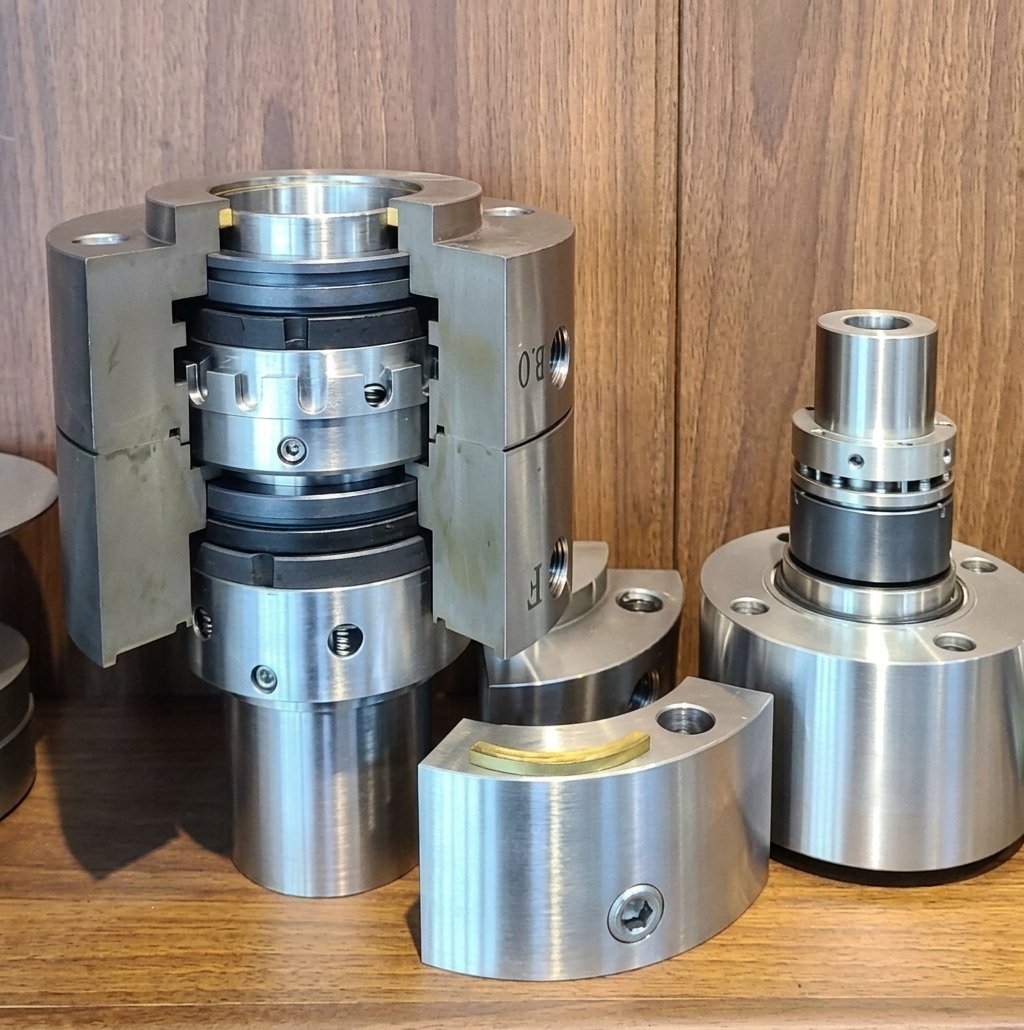
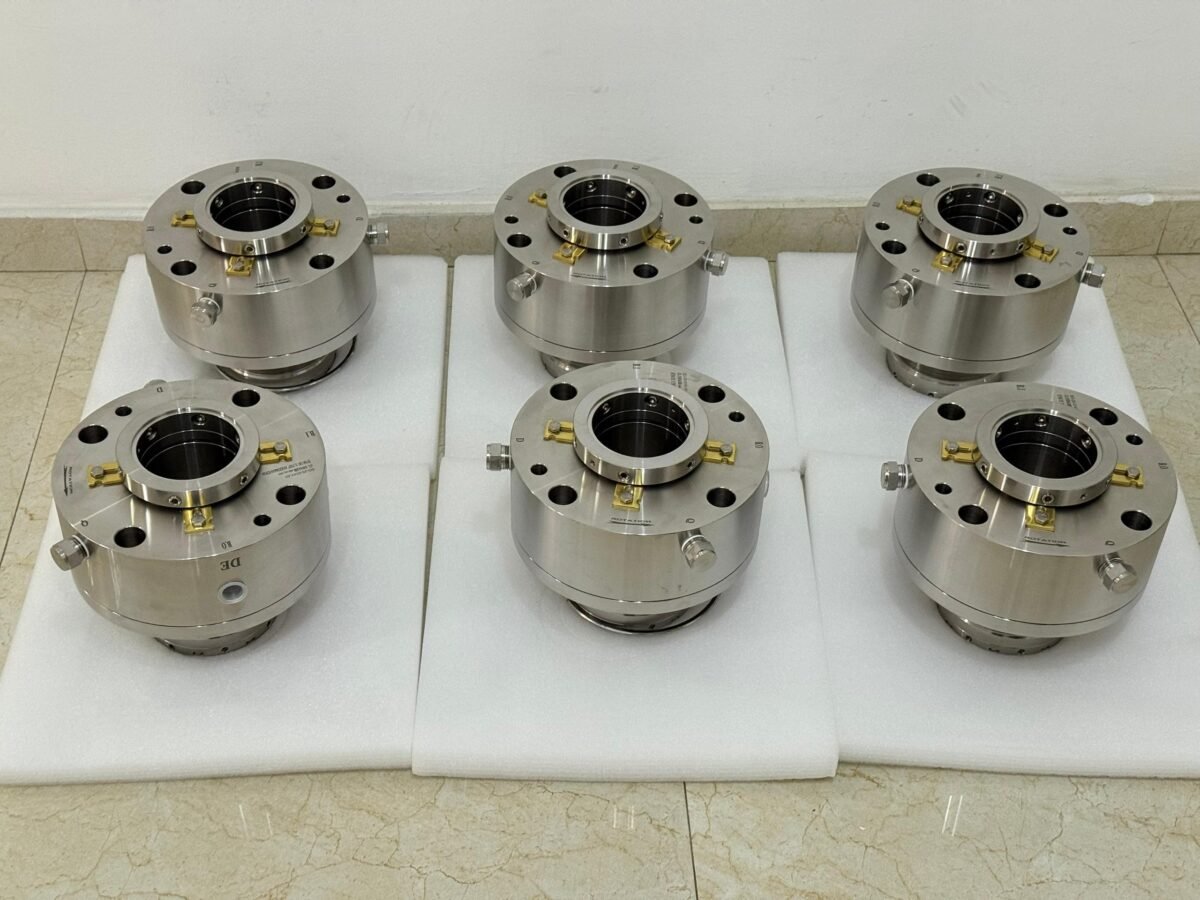
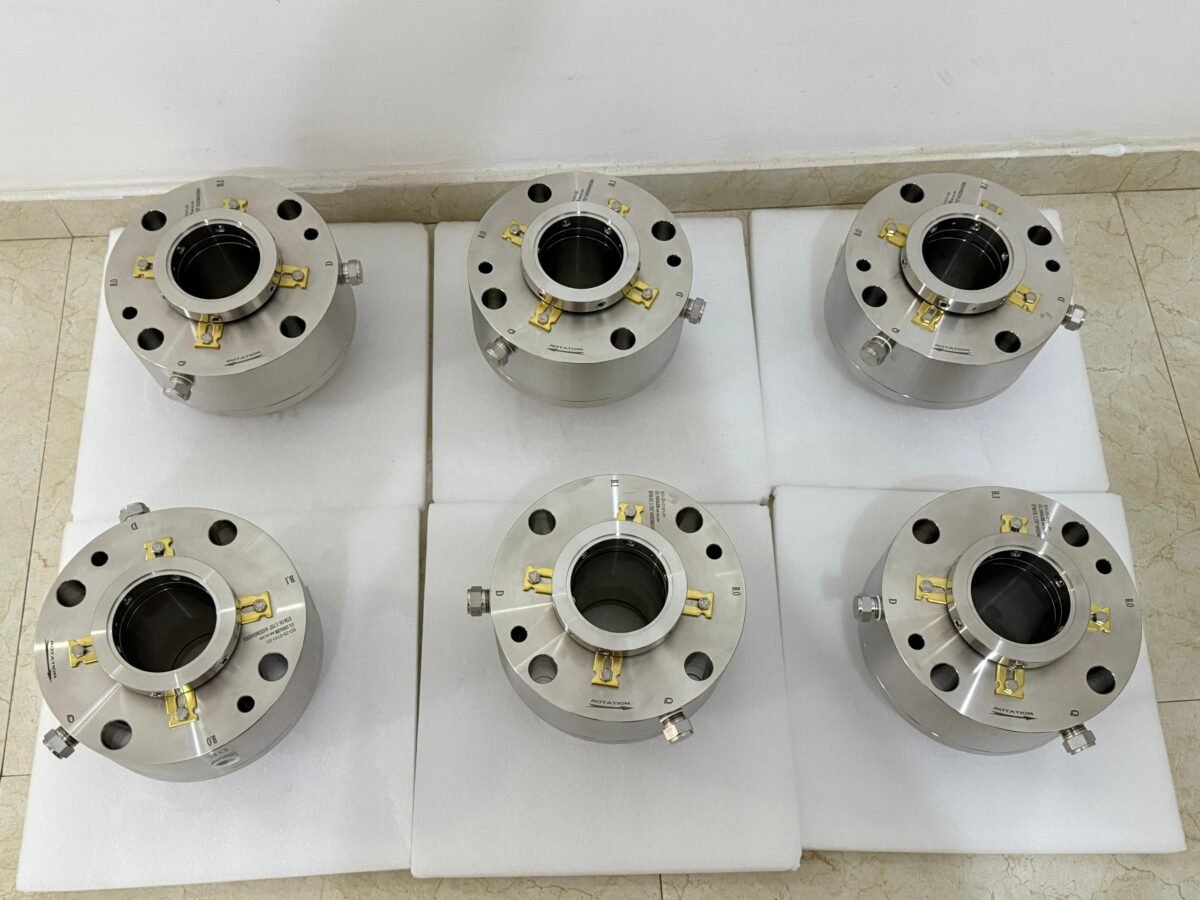
Both configurations are available within the SEALER INDUSTRIAL cartridge seal line, which comes pre-assembled from the factory, significantly reducing installation errors — one of the most common causes of failure mentioned above.
Is your equipment experiencing recurring failures? Contact us and we’ll diagnose the root cause together.