
The Essence of Mechanical Seals in the Oil and Gas Industry
Mechanical seals are essential for ensuring efficiency and safety in oil and gas industry operations, protecting equipment and minimizing risks.
Innovation and Safety in Every Seal
Optimize Your Operations
Explore how our mechanical seals can transform the efficiency of your industrial processes.
PRODUCTS

Seal Codes
Seal codes simplify the selection of industrial products by providing detailed specifications that ensure compatibility and performance.

Cartridge Seals
The cartridge seal is an advanced mechanical seal solution that simplifies installation and maintenance in industrial equipment, ensuring efficiency and safety.

Cooling and Reservoir
Cooling and reservoir systems play a fundamental role in the efficiency and safety of mechanical seals used in various industrial applications. These systems ensure seals operate under optimal conditions.

Metal Bellows Seals
Metal bellows seals are key industry components, designed to provide effective sealing under demanding conditions. Their robust structure and high-quality materials allow them to operate across a wide range of temperatures and pressures.

Standard Seal
The standard seal is a critical component in the sealing industry, designed to prevent fluid leaks and ensure the integrity of mechanical systems. Its robust construction and high-quality materials guarantee reliable performance and a long service life,

Dry-Running Seal
The dry-running seal is an innovative component that operates without the need for lubrication, making it ideal for applications where fluid contamination is a risk.

Mixer Seal
Mixer seals are crucial components in various industrial applications, especially in processes involving the mixing of liquids and solids. These seals are designed to prevent material leaks.

Sink Roll Seal
The sink roll seal is an essential component in plumbing systems, designed to prevent water leaks and ensure a tight seal. Made with high-quality materials, this seal offers durability and corrosion resistance.

Special Tasks
Special tasks are activities that require specific skills and a detailed approach for proper execution, especially in industrial environments. These tasks are essential to ensuring the quality and efficiency of processes.
The Oil and Gas Industry
In the oil and gas industry, where extreme conditions and hazardous fluids are part of everyday operations, mechanical seals play a vital role. From pumps transporting crude oil to compressors handling pressurized gases, these components ensure tightness and optimal performance of the most critical equipment. Choosing quality mechanical seals not only protects your operations, but also minimizes risks, improves efficiency, and reduces long-term costs.
Benefits of Mechanical Seals in the Oil and Gas Industry
Mechanical seals are crucial components that improve safety and efficiency in the oil and gas industry, reducing leaks and extending equipment service life. In the oil and gas industry, mechanical seals aren’t just another component — they’re an essential pillar for process efficiency and safety. Operations in this industry present unique challenges due to extreme operating conditions and the nature of the fluids handled. Here we’ll explore why mechanical seals are indispensable, how to solve critical problems, and how choosing the right one can make a real difference in your equipment’s performance.
01
Leak Reduction
02
Greater Durability
03
Operational Efficiency
04
Improved Safety
Discover More About Our Mechanical Seals
Are you ready to improve the efficiency of your operations with our high-quality mechanical seals? Contact us today to get more information on how we can help you optimize your industrial processes. Our team is here to advise you every step of the way.
Key Applications of Mechanical Seals in Oil and Gas

Pumps Mechanical seals prevent leaks that could be dangerous and costly, ensuring clean, efficient transport. Pumps carry critical fluids such as crude oil, liquefied natural gas (LNG), and refined products.
Compressors Used to handle high-pressure gases, compressors require the highest-precision seals. Mechanical seals ensure gas containment, preventing leaks that could compromise safety and the environment.


Mixers In oil processing, mixers agitate corrosive, abrasive fluids. Specially designed seals offer corrosion resistance and extend equipment service life.
Other Processing Equipment From boilers to reactors, mechanical seals are used across multiple stages of refining and transport.
Reasons to Choose High-Quality Mechanical Seals The oil and gas industry places extreme demands on equipment. This is where high-quality mechanical seals prove their worth:

1. Preventing Critical Leaks In the oil and gas industry, handling hazardous fluids such as crude oil, flammable gases, and toxic chemicals requires absolute containment. High-quality seals offer millimeter-level precision that eliminates leaks, protecting employees, the environment, and company assets.

2. Longer Equipment Life Well-designed mechanical seals not only protect but also reduce wear on other equipment components. This results in less maintenance needed, extending the service life of pumps, compressors, and mixers, translating into significant long-term savings.

3. Resistance to Extreme Conditions Equipment in this industry operates in environments with extremely high or low temperatures and elevated pressures. Mechanical seals specifically designed for these conditions ensure reliable performance, even in the most demanding environments.

4. Compliance with Regulations and Standards Premium quality seals are certified to meet strict international standards for safety, environment, and performance. We ensure your operations stay within regulations, avoiding legal penalties and improving your company’s reputation.
5. Maximized Operational Efficiency
- High-performance seals improve equipment efficiency by minimizing energy and product losses during processing. This allows for greater production capacity without compromising safety or performance. 6. Reduced Operating Costs Although the initial investment may be higher, high-quality seals generate a significant return on investment. They reduce downtime, repair costs, and product losses, making them a smart economic decision. 7. Environmental Protection and Sustainability Hazardous fluid leaks aren’t just a safety issue — they’re also an environmental risk. High-quality seals minimize environmental impact, helping you meet corporate sustainability goals and strict environmental regulations.


Different Industries
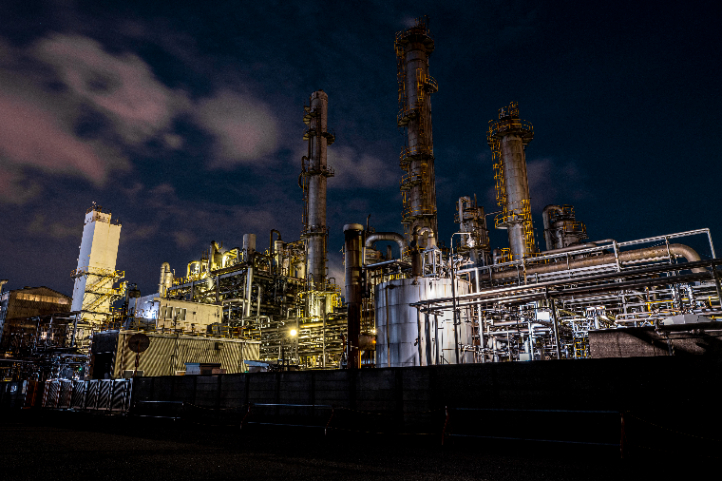
Oil and Gas Industry
- Applications: Pumps and mixers in processing systems.
- Importance: Designed to resist abrasion and handle fluids with suspended solids, ensuring operational continuity.

Power Generation Industry
- Applications: Turbines, cooling pumps, boilers, and generators.
- Reason: High temperatures and pressures in thermal and nuclear power plants.
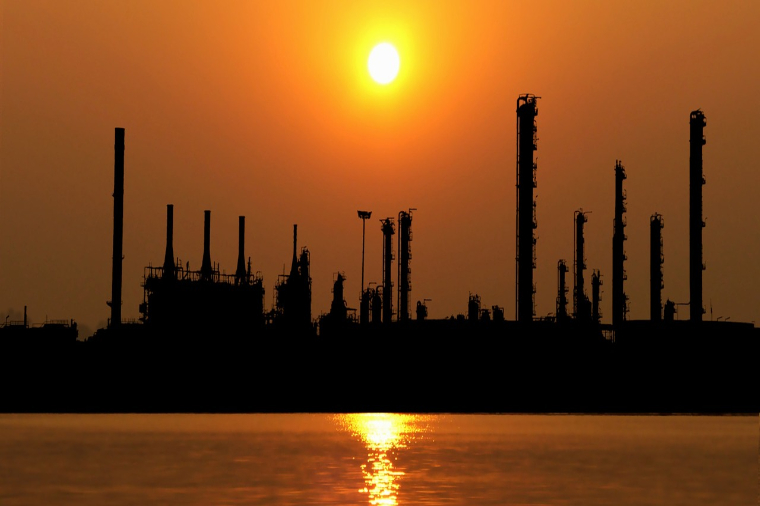
Chemical and Petrochemical Industry
- Applications: Reactors, mixers, and chemical pumps.
- Importance: Corrosion-resistant and designed to handle aggressive chemicals, ensuring product purity and environmental safety.

Food and Beverage Industry
- Applications: Reactors, homogenizers, and process pumps.
- Importance: They comply with GMP regulations, ensuring product purity and facilitating cleaning.
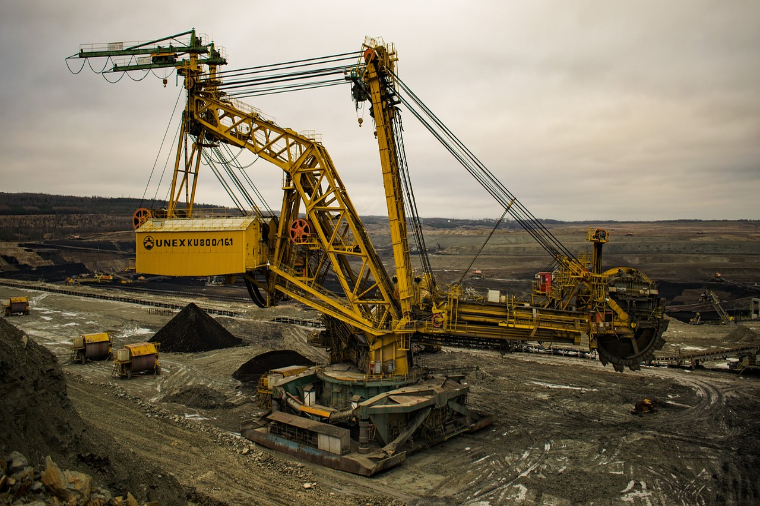
Mining and Minerals Industry
- Applications: Slurry pumps and processing equipment.
- Importance: They withstand abrasive fluids and extreme conditions, reducing equipment wear and extending its service life.
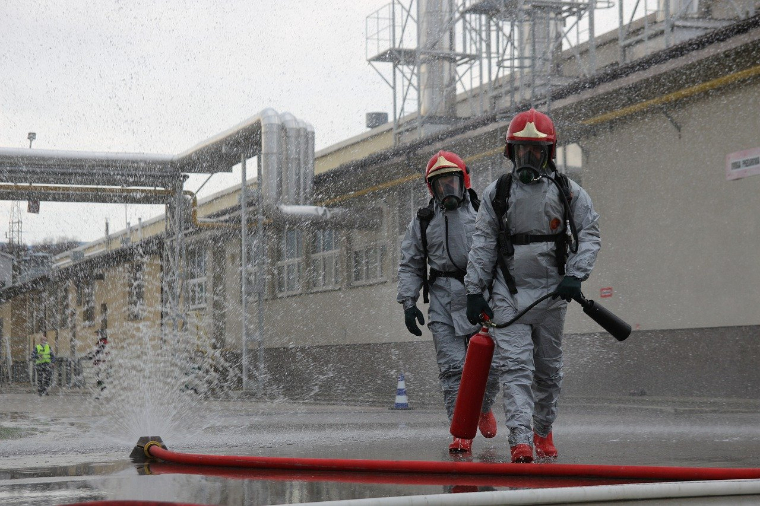
Pulp and Paper Industry
- Applications: Pumps, compressors, and processing equipment.
- Importance: It withstands high pressures and extreme temperatures, preventing hazardous fluid leaks and ensuring safety and sustainability.
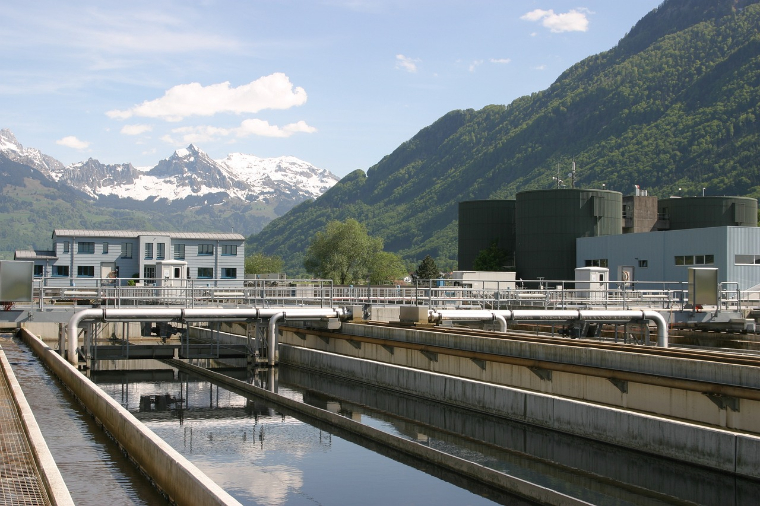
Wastewater and Clean Water Management
- Applications: Pumping systems, clarifiers, and desalination plants.
- Importance: They prevent leaks, resist aggressive chemicals, and ensure the efficiency of purification processes.

Pharmaceutical Industry
- Applications: Reactors, homogenizers, and process pumps.
- Importance: They comply with GMP regulations, ensuring product purity and facilitating cleaning.

Refrigeration Industry
- Applications: Compressors, refrigerant pumps, and cooling systems.
- Importance: They seal modern, eco-friendly refrigerants, ensuring energy efficiency and sustainability.

Polymer Industry
- Applications: Transfer pumps, extruders, reactors, and mixers.
- Reason: To withstand high temperatures, pressures, and viscous or abrasive fluids.
The Right Decision for the Future of Your Operations
Choosing high-quality mechanical seals isn’t a luxury — it’s a necessity for those working in an environment as critical as oil and gas. If you want to optimize your processes, protect your equipment, and ensure uninterrupted operations, quality mechanical seals are the key. Contact us today and discover how our mechanical seals can transform your operation. We’re here to help you overcome the most complex challenges!
1. Why are mechanical seals necessary in the oil and gas industry?
Mechanical seals are essential for ensuring an airtight seal in pumps, compressors, and mixers, preventing leaks of hazardous fluids and ensuring operational efficiency under extreme conditions.
2. What materials are used in mechanical seals for this industry?
The seals are made with advanced materials such as silicon carbide, tungsten, stainless steel, and resistant elastomers, designed to withstand high pressures, extreme temperatures, and corrosive chemicals.
3. What processing equipment uses mechanical seals?
Oil transport pumps, gas compressors, fluid mixers, and other key equipment in refineries and petrochemical plants.
4. How do mechanical seals withstand high temperatures and pressures?
Thanks to high-tech materials and specialized designs, the seals withstand temperatures above 300°C and pressures over 100 bar without compromising performance.
5. Are mechanical seals compatible with hazardous fluids such as toxic or flammable gases?
Yes, they are specifically designed to safely handle hazardous fluids, preventing leaks that could endanger safety or the environment.
6. What regulations do mechanical seals comply with for this industry?
They comply with international standards such as API 682, ISO 9001 and other regulations specific to the oil and gas industry, ensuring safety and quality.
7. How long does a mechanical seal last in these demanding applications?
With proper maintenance, a high-quality mechanical seal can last several years, even under extreme conditions.
8. What common problems do mechanical seals solve in the oil and gas industry?
They prevent leaks, reduce equipment wear, optimize energy efficiency, and ensure operational continuity, minimizing risks and costs.
9. What maintenance do mechanical seals require?
They require periodic inspections, component cleaning, and preventive replacement in case of wear to ensure optimal performance.
10. Can mechanical seals be customized for specific equipment?
Yes, we offer customized solutions that adapt to the specifications of each piece of equipment and process, ensuring optimal performance in any application.
What Our Customers Say
★★★★★
“Since we started using mechanical seals from sellosmecanicosyar.com, we’ve seen a significant improvement in our operations’ efficiency. The quality and durability are exceptional.”

Juan Pérez
Operations Manager, PetroGas S.A.
★★★★★
“The customer service and technical support we received were unmatched. The mechanical seals have exceeded our expectations in terms of performance.”

María López
Maintenance Director, Energía y Soluciones
★★★★★
“I highly recommend sellosmecanicosyar.com. Their products have been essential in optimizing our processes and reducing downtime.”

Carlos Ramírez
Chief Engineer, Refinadora del Norte