
Mechanical Seals in Power Generation
The Key to Safe, Efficient Operations
The power generation industry, both thermal and nuclear, is one of the most demanding sectors in terms of equipment performance. Turbines, cooling pumps, and boilers operate under extreme temperature and pressure conditions, requiring components that guarantee safety, reliability, and efficiency. High-quality mechanical seals are essential for maintaining operational integrity and reducing risks in these critical environments.
Innovation and Safety in Every Seal
Optimize Your Operations
Explore how our mechanical seals can transform the efficiency of your industrial processes.
PRODUCTS

Seal Codes
Seal codes simplify the selection of industrial products by providing detailed specifications that ensure compatibility and performance.

Cartridge Seals
The cartridge seal is an advanced mechanical seal solution that simplifies installation and maintenance in industrial equipment, ensuring efficiency and safety.

Cooling and Reservoir
Cooling and reservoir systems play a fundamental role in the efficiency and safety of mechanical seals used in various industrial applications. These systems ensure seals operate under optimal conditions.

Metal Bellows Seals
Metal bellows seals are key industry components, designed to provide effective sealing under demanding conditions. Their robust structure and high-quality materials allow them to operate across a wide range of temperatures and pressures.

Standard Seal
The standard seal is a critical component in the sealing industry, designed to prevent fluid leaks and ensure the integrity of mechanical systems. Its robust construction and high-quality materials guarantee reliable performance and a long service life,

Dry-Running Seal
The dry-running seal is an innovative component that operates without the need for lubrication, making it ideal for applications where fluid contamination is a risk.

Mixer Seal
Mixer seals are crucial components in various industrial applications, especially in processes involving the mixing of liquids and solids. These seals are designed to prevent material leaks.

Sink Roll Seal
The sink roll seal is an essential component in plumbing systems, designed to prevent water leaks and ensure a tight seal. Made with high-quality materials, this seal offers durability and corrosion resistance.

Special Tasks
Special tasks are activities that require specific skills and a detailed approach for proper execution, especially in industrial environments. These tasks are essential to ensuring the quality and efficiency of processes.
Power Generation Industry
Mechanical seals are essential in the power generation industry, ensuring efficiency and safety in key equipment such as turbines, cooling pumps, and boilers. Designed to withstand high temperatures and pressures, these critical components prevent leaks, optimize performance, and extend system service life, ensuring reliable operations in the most demanding environments.
Benefits of Mechanical Seals in the Power Generation Industry
The power generation industry, with its demanding operations in turbines, cooling pumps, and boilers, depends on reliable components that ensure system safety and efficiency. High-quality mechanical seals offer key benefits that optimize operations and reduce risks in thermal and nuclear plants.
01
Resistance to Extreme Conditions
02
Prevention of Critical Leaks
03
Compliance with Safety Standards
04
Reduced Downtime
Discover More About Our Mechanical Seals
Are you ready to improve the efficiency of your operations with our high-quality mechanical seals? Contact us today for more information on how we can help you optimize your industrial processes. Our team is here to support you every step of the way.
Key Applications in Power Generation

TURBINES Turbines operate at extreme speeds and temperatures, making them one of the most challenging pieces of equipment when it comes to sealing. Mechanical seals designed specifically for turbines minimize friction, improve efficiency, and extend equipment service life.
- Cooling pumps Responsible for keeping temperatures under control, these pumps are essential for preventing overheating. Specialized mechanical seals ensure continuous operation, preventing leaks that could compromise the cooling system.


Boilers In thermal and nuclear plants, boilers handle steam at high pressures to generate power. Mechanical seals withstand these extreme conditions and prevent steam loss, maximizing energy efficiency.
Reasons to Choose High-Quality Mechanical Seals
Resistance to High Temperatures and Pressures Superior-quality mechanical seals are designed with advanced materials that withstand the unique challenges of power generation plants. Prevention of Critical Leaks In an environment where fluid or steam leaks can cause serious accidents or costly interruptions, mechanical seals ensure maximum safety. Improved Energy Efficiency By minimizing energy losses from leaks, mechanical seals directly contribute to greater output and lower operating costs. Regulatory Compliance Power generation plants are subject to strict safety regulations. Certified mechanical seals ensure compliance with these standards.
Oil and Gas Industry
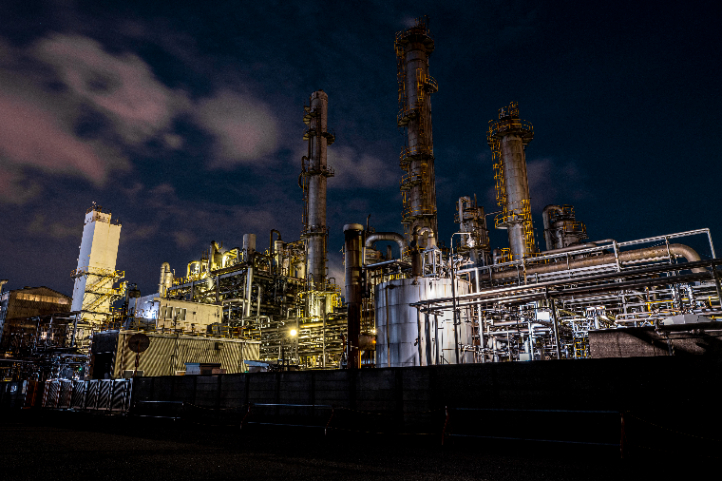
- Applications: Pumps and mixers in processing systems.
- Importance: Designed to resist abrasion and handle fluids with suspended solids, ensuring operational continuity.
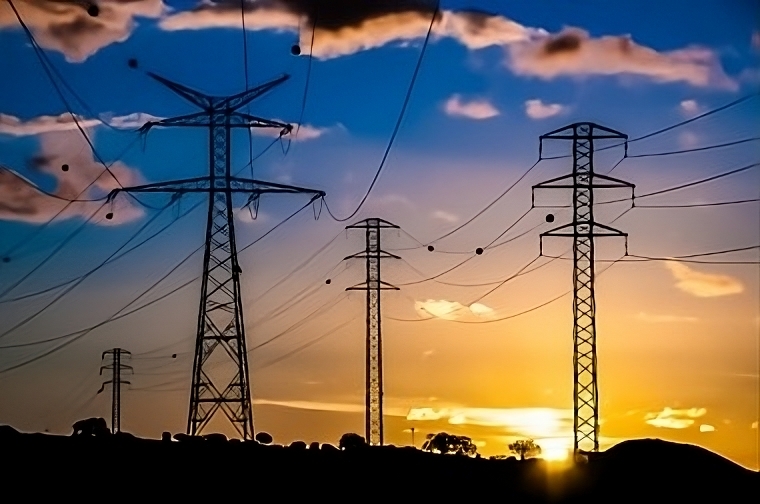
Power Generation Industry
- Applications: Turbines, cooling pumps, boilers, and generators.
- Reason: High temperatures and pressures in thermal and nuclear power plants.
Chemical and Petrochemical Industry
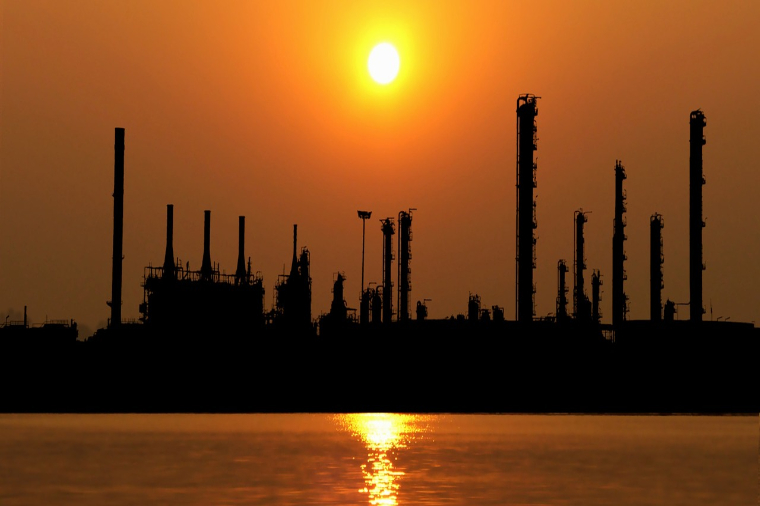
- Applications: Reactors, mixers, and chemical pumps.
- Importance: Corrosion-resistant and designed to handle aggressive chemicals, ensuring product purity and environmental safety.

Food and Beverage Industry
- Applications: Reactors, homogenizers, and process pumps.
- Importance: They comply with GMP regulations, ensuring product purity and facilitating cleaning.
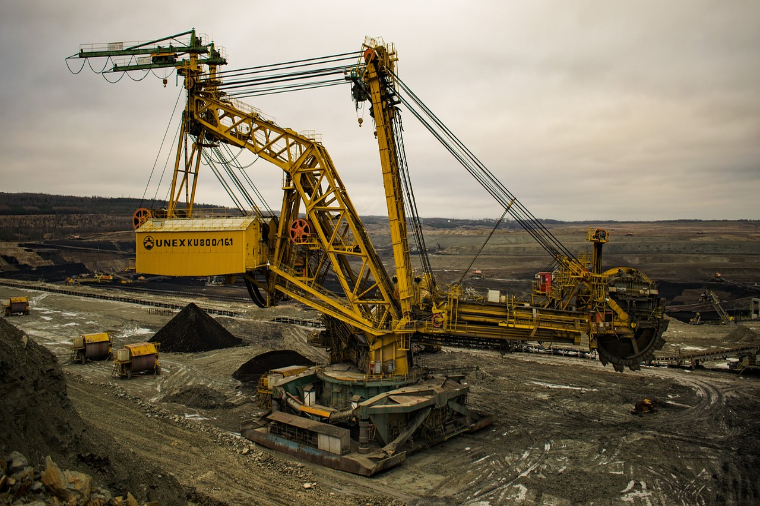
Mining and Minerals Industry
- Applications: Slurry pumps and processing equipment.
- Importance: They withstand abrasive fluids and extreme conditions, reducing equipment wear and extending its service life.
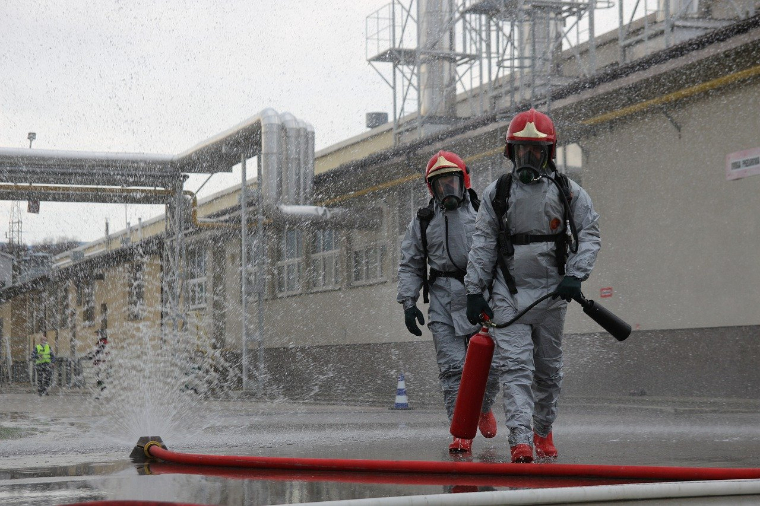
Pulp and Paper Industry
- Applications: Pumps, compressors, and processing equipment.
- Importance: It withstands high pressures and extreme temperatures, preventing hazardous fluid leaks and ensuring safety and sustainability.
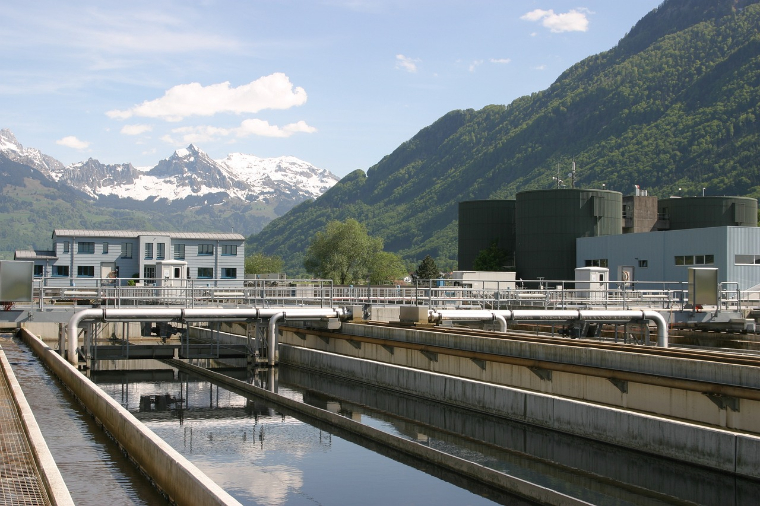
Wastewater and Clean Water Management
- Applications: Pumping systems, clarifiers, and desalination plants.
- Importance: They prevent leaks, resist aggressive chemicals, and ensure the efficiency of purification processes.

Pharmaceutical Industry
- Applications: Reactors, homogenizers, and process pumps.
- Importance: They comply with GMP regulations, ensuring product purity and facilitating cleaning.

Refrigeration Industry
- Applications: Compressors, refrigerant pumps, and cooling systems.
- Importance: They seal modern, eco-friendly refrigerants, ensuring energy efficiency and sustainability.
Polymer Industry
- Applications: Transfer pumps, extruders, reactors, and mixers.
- Reason: To withstand high temperatures, pressures, and viscous or abrasive fluids.
Why Choose Our Mechanical Seals
At Y AR Asociados, C.A, we understand that power generation plants can’t afford downtime or system failures. That’s why we offer: Customized Solutions: We design mechanical seals tailored to your specific equipment. High-Tech Materials: We use materials resistant to wear, corrosion, and extreme temperatures. Specialized Technical Support: Our team is available to help you select and maintain the seals that maximize your productivity.
Why It’s Essential to Invest in Quality Mechanical Seals Investing in high-performance mechanical seals isn’t just a technical decision — it’s a strategic one. These critical components optimize your plant’s performance, reduce risks, and ensure long-term sustainability. Ready to take your power generation operations to the next level? Contact us today and let our experts guide you in selecting the perfect mechanical seal for your needs. Your plant’s safety, efficiency, and success are within reach!
Frequently Asked Questions
1. What is a mechanical seal and how does it work?
A mechanical seal is a device designed to prevent leaks between two parts of a machine, such as a rotating shaft and a fixed housing. It works by creating an airtight barrier through sealing faces that remain in continuous contact, preventing fluids or gases from escaping.
2. How to choose the right mechanical seal for my equipment?
The choice depends on several factors:
Fluid type: Determines whether it’s corrosive, abrasive, or volatile, as this affects the seal material type.
Shaft speed: High-speed shafts need materials resistant to heat and wear.
Operating conditions: Pressure and temperature influence the seal design selection.
Material compatibility: Make sure the seal materials are resistant to the fluid and the working environment.
Equipment design: Some specific configurations require seal types such as cartridge or balanced seals.
Solution: Consult a mechanical seal specialist or check your equipment’s technical specifications to find the best option. Choosing correctly extends the system’s service life and prevents operational problems.
3. What to do if my mechanical seal is leaking?
Leaks can be caused by several factors, such as:
Wear: Sealing faces can deteriorate from prolonged use.
Incorrect installation: If the seal isn’t fitted properly, its effectiveness is reduced.
Elastomer damage: Materials such as gaskets or O-rings can crack or deform.
Solution:
Visually inspect the seal for cracks, wear, or misalignment.
Perform regular preventive maintenance to prevent future failures.
If the problem persists, replace the seal with a compatible one and make sure the installation is precise.
4. What are the most common types of mechanical seals?
The most common types include:
Single seal: Recommended for low-pressure and low-temperature conditions.
Double seal: Ideal for critical applications with volatile fluids or extreme environments.
Cartridge seal: Easy to install and perfect for high-pressure systems.
Balanced seal: Designed to withstand high pressures without compromising performance.
Solution: Evaluate your specific needs to select the right seal type. The right decision can improve system efficiency and reduce operating costs.
5. Why do mechanical seals wear out?
Wear can be caused by:
Excessive friction: Between the sealing faces.
Exposure to aggressive fluids: Such as corrosive or abrasive chemicals.
Lack of lubrication: This increases friction and heat, accelerating wear.
Solution: Use high-quality materials suited to the fluid and operating conditions. Make sure to maintain proper lubrication and perform regular inspections.
6. How to prevent leaks in high-pressure systems?
Leaks in high-pressure systems are common if the seal isn’t designed to withstand those conditions.
Solution:
Use balanced or double cartridge seals, which are specifically designed to operate under high pressures.
Make sure the sealing system is properly installed and maintained.
7. What maintenance do mechanical seals require?
Mechanical seal maintenance includes:
Periodic visual inspection to detect wear or damage.
Checking the sealing faces and elastomers.
Cleaning the installation area to prevent debris from damaging the seal.
Replacing worn or defective parts.
Solution: Implement a preventive maintenance plan that includes regular inspections and documentation of changes made.
8. Can I reuse a mechanical seal?
It depends on the condition of the seal and the conditions in which it was used. In most cases, worn seals should not be reused.
Solution: If the seal shows cracks, wear, or deformation, replace it. Reuse is only viable if the seal is in perfect condition and meets the operating requirements.
9. What materials are the most resistant for mechanical seals?
Some of the most common and resistant materials are:
Tungsten carbide: Ideal for abrasive fluids.
Silicon carbide: Excellent chemical resistance.
Graphite: Withstands high temperatures.
Solution: Select the right material based on the fluid and operating conditions. This will ensure a longer service life for the seal.
10. How do extreme conditions affect mechanical seals?
Extreme conditions, such as high temperatures, elevated pressures, and corrosive fluids, can significantly reduce the seal’s service life.
Solution:
Use seals designed specifically for those conditions, such as API 682 seals for the oil industry.
Make sure maintenance is consistent to prevent damage from excessive wear.
What Our Customers Say
★★★★★
“Since we started using mechanical seals from sellosmecanicosyar.com, we’ve seen a significant improvement in our operations’ efficiency. The quality and durability are exceptional.”

Juan Pérez
Operations Manager, PetroGas S.A.
★★★★★
“The customer service and technical support we received were unmatched. The mechanical seals have exceeded our expectations in terms of performance.”

María López
Maintenance Director, Energía y Soluciones
★★★★★
“I highly recommend sellosmecanicosyar.com. Their products have been essential in optimizing our processes and reducing downtime.”

Carlos Ramírez
Chief Engineer, Refinadora del Norte