Start with Your Equipment’s Data
Before choosing a mechanical seal, you need to know some basic data about your pump or rotating equipment: shaft diameter, operating pressure, fluid temperature, rotation speed (RPM), and the type of fluid it handles (water, hydrocarbons, chemicals, sludge, etc.).
Single, Double, or Cartridge
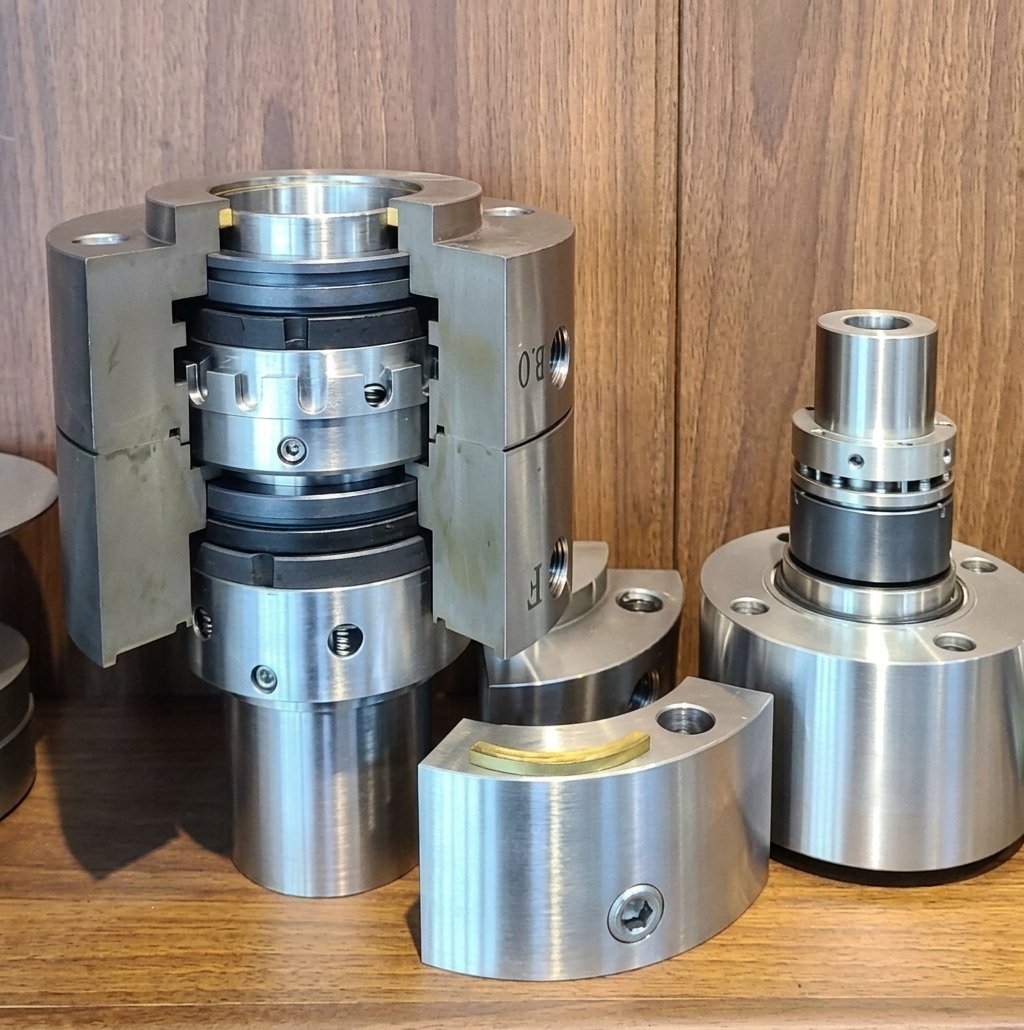
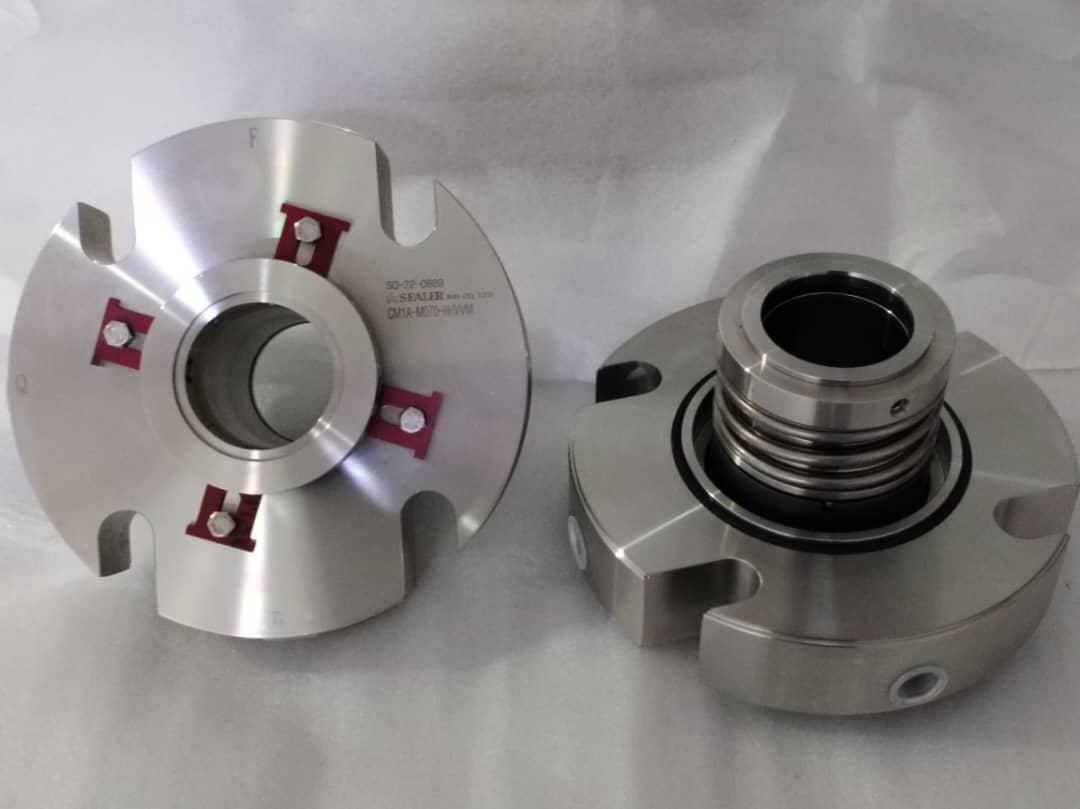
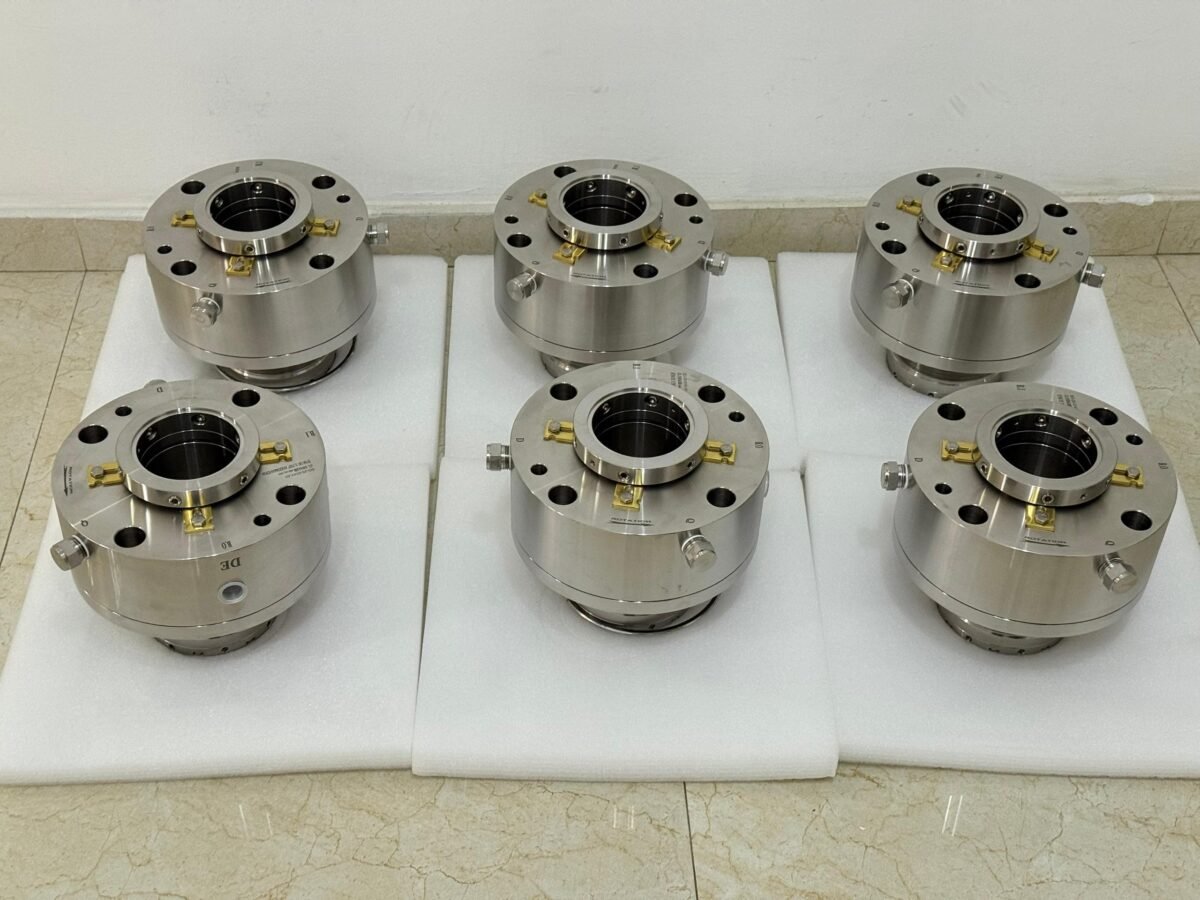
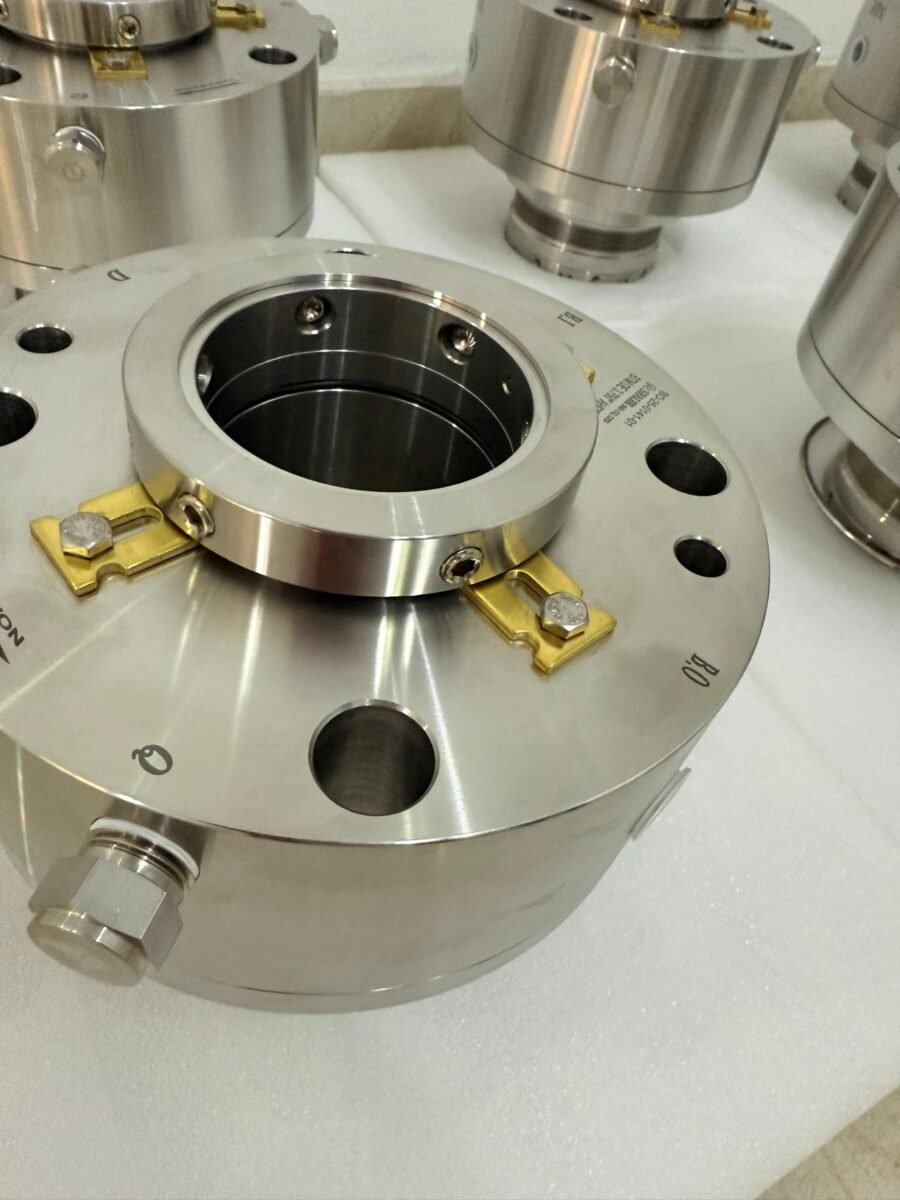
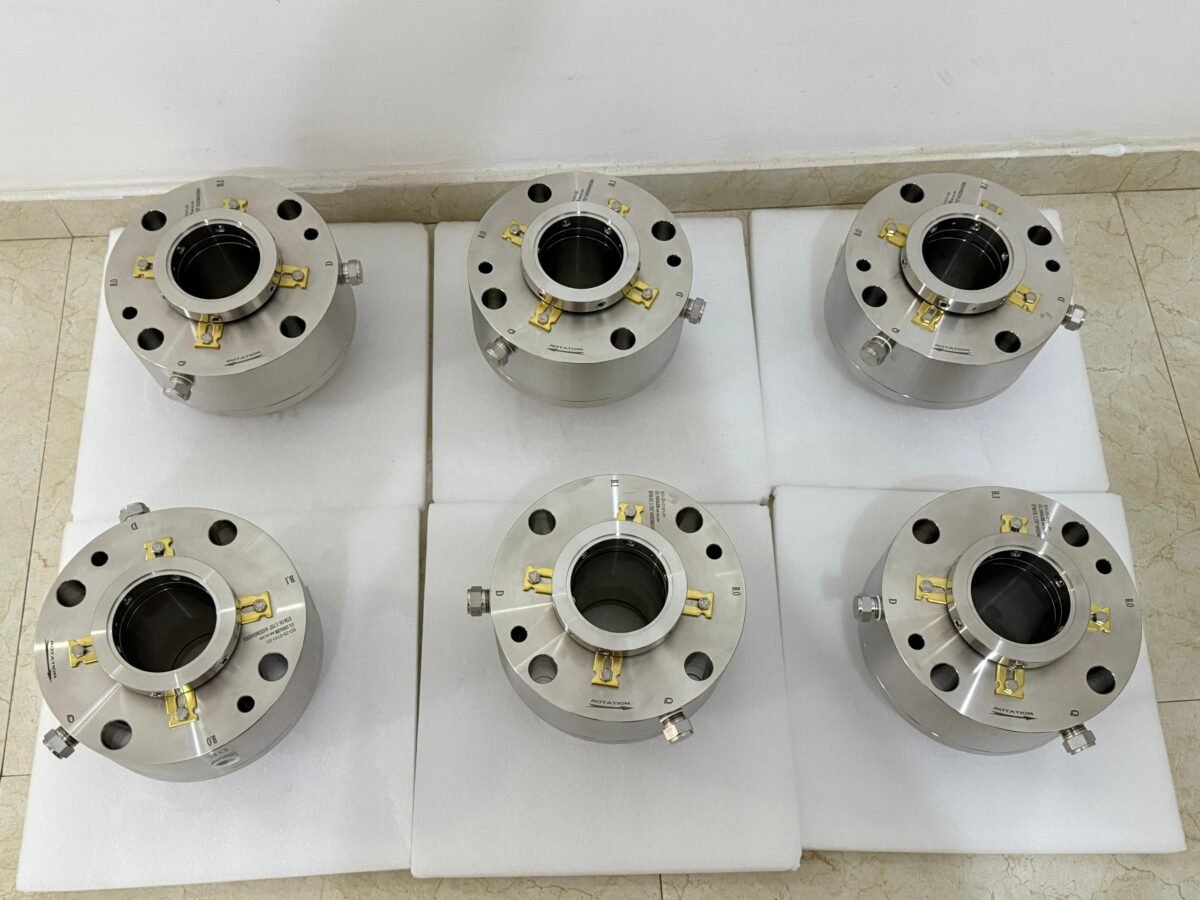
A single seal is usually enough for standard applications with non-hazardous fluids. A double seal is recommended when the fluid is toxic, flammable, or when no leakage to the environment can be allowed. Cartridge seals, for their part, simplify installation and reduce assembly errors since they come pre-assembled.
Materials: Chemical Compatibility Matters
The seal face and elastomers must be compatible with the process fluid. Materials such as silicon carbide and tungsten carbide offer high wear resistance, while the elastomer (Viton, EPDM, etc.) should be chosen based on its chemical and temperature resistance.
Don’t Guess: Ask for Advice
Choosing the wrong mechanical seal often leads to premature failures and unplanned downtime. At Y&AR Asociados we review your equipment’s specifications and recommend the right SEALER INDUSTRIAL reference, avoiding trial and error.
Dig Deeper Before Deciding
If you’re still unsure between a single or double seal, we recommend reading single vs. double mechanical seals: when to use each one, where we explain the differences with concrete examples by application type.
And once you have the right seal installed, it’s worth planning ahead: check the most common causes of mechanical seal failure and how to prevent them to extend its service life.
At Y&AR Asociados, C.A. we distribute the full line of SEALER INDUSTRIAL cartridge seals. Contact us with your equipment’s details and we’ll help you determine the right reference.