mechanical seal codes Companies like Sellos Mecánicos YAR offer reliable solutions with high quality standards and innovative technology. These codes also support preventive maintenance and make communication between suppliers and customers easier. Although interpreting them requires technical knowledge, using them ensures efficiency, safety, and cost savings for industrial equipment.
PRODUCTS

Seal Codes
Seal codes simplify the selection of industrial products by providing detailed specifications that ensure compatibility and performance.

Cartridge Seals
The cartridge seal is an advanced mechanical seal solution that simplifies installation and maintenance in industrial equipment, ensuring efficiency and safety.

Cooling and Reservoir
Cooling and reservoir systems play a fundamental role in the efficiency and safety of mechanical seals used in various industrial applications. These systems ensure seals operate under optimal conditions.

Metal Bellows Seals
Metal bellows seals are key industry components, designed to provide effective sealing under demanding conditions. Their robust structure and high-quality materials allow them to operate across a wide range of temperatures and pressures.

Standard Seal
The standard seal is a critical component in the sealing industry, designed to prevent fluid leaks and ensure the integrity of mechanical systems. Its robust construction and high-quality materials guarantee reliable performance and a long service life,

Dry-Running Seal
The dry-running seal is an innovative component that operates without the need for lubrication, making it ideal for applications where fluid contamination is a risk.

Mixer Seal
Mixer seals are crucial components in various industrial applications, especially in processes involving the mixing of liquids and solids. These seals are designed to prevent material leaks.

Sink Roll Seal
The sink roll seal is an essential component in plumbing systems, designed to prevent water leaks and ensure a tight seal. Made with high-quality materials, this seal offers durability and corrosion resistance.

Special Tasks
Special tasks are activities that require specific skills and a detailed approach for proper execution, especially in industrial environments. These tasks are essential to ensuring the quality and efficiency of processes.

Seal Code Features
Seal codes represent an efficient way to classify and select the different types of mechanical seals available in the industrial market. These codes contain vital information describing the seal’s specifications, such as its type, construction materials, dimensions, and operating conditions. Correctly interpreting these codes ensures the mechanical seal is suitable for its specific application, minimizing the risk of leaks, failures, or equipment damage. Recognized manufacturers like Sellos Mecánicos YAR use standardized naming that makes it easy to identify a product’s features. For example, a code like “M37G” refers to an unbalanced unidirectional seal designed for water pumps and chemical applications. This level of detail ensures industries can trust the compatibility and durability of the selected seal.
Why Do Seal Codes Cost What They Do?
The cost tied to seal codes is directly related to the materials used, the manufacturing process, and technical specifications. Mechanical seals made from advanced materials, such as silicon carbide or graphite, tend to cost more due to their resistance to high temperatures and harsh chemicals. Design complexity also affects price. Specialized models designed to work under extreme conditions require more rigorous manufacturing processes. So while the price may seem high, it’s an investment that safeguards industrial equipment and reduces long-term costs.
Comparing Seal Codes with Similar Products
Comparing seal codes with other similar products on the market can be revealing. For example, Sellos Mecánicos YAR’s mechanical seals stand out for their innovative technology and their use in demanding industries such as petrochemicals. The company offers solutions tailored to each customer’s needs, combining affordable prices with high quality standards. Meanwhile, other options on the market may not offer the same combination of quality and price, making Sellos Mecánicos YAR products a reliable choice for industrial applications.
Pros and Cons of Seal Codes
Pros: Make it easier to select the right products. Ensure compatibility with specific applications. Reduce the risk of operational errors and leaks. Provide clear, detailed information about the seal. Cons: Interpreting some codes may require technical knowledge. Some models can be costly for small businesses. Limited availability of certain specialized codes.Advantages of Seal Codes
The main advantage of seal codes is their ability to standardize product selection in a broad, complex market. This not only saves time for the engineers and technicians responsible for selection, but also significantly reduces the risks tied to installing the wrong seal. Another benefit is that codes allow technical specifications to be identified quickly and accurately, making communication between suppliers and customers easier. This ensures a smoother, more reliable purchasing experience.
Other Benefits of Seal Codes
Seal codes also support preventive maintenance. Knowing exactly which type of seal is installed makes it easier to plan replacements or repairs without disrupting operations. Many manufacturers also include information in the codes about compatibility with international standards, ensuring products meet global quality benchmarks.
Customer Opinions on Seal Codes
In my experience and based on other users’ feedback, seal codes are an indispensable tool for any professional in the industrial field. The clarity and detail these codes offer greatly simplify daily work, especially in applications requiring high precision. Reviews also highlight the importance of working with trustworthy manufacturers. Sellos Mecánicos YAR has proven consistent in product quality, which builds user confidence.
Frequently asked questions
What information does a mechanical seal code contain?
It includes the seal type, construction material, dimensions, and operating conditions (temperature, pressure, etc.).
Are the codes universal?
Not all manufacturers use the same codes, but international standards do exist to help standardize specifications.
How do I choose the right code?
It’s important to review your equipment’s specifications and consult your supplier to ensure compatibility.
Conclusions on Seal Codes
Seal codes are an essential guide for efficiently selecting and maintaining mechanical seals. With proper knowledge and support from trusted manufacturers like Sellos Mecánicos YAR, these codes ensure optimal performance and the safety of industrial equipment. Choosing the right code not only optimizes equipment operation but also saves costs and time in the long run.
INDUSTRIES
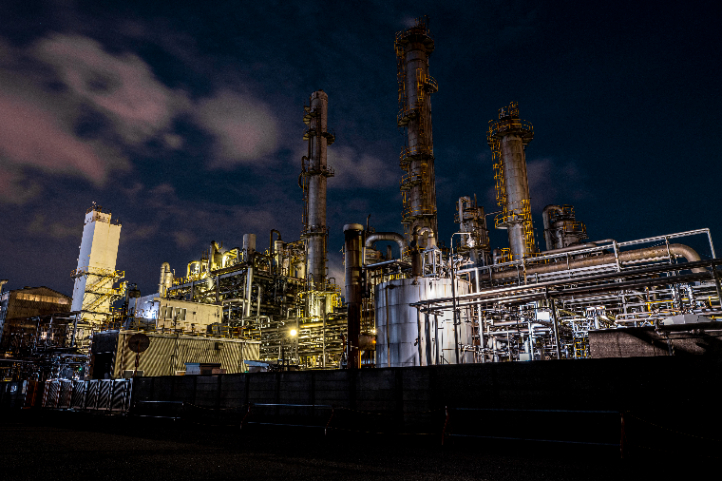
Oil and Gas Industry
- Applications: Pumps and mixers in processing systems.
- Importance: Designed to resist abrasion and handle fluids with suspended solids, ensuring operational continuity.

Power Generation Industry
- Applications: Turbines, cooling pumps, boilers, and generators.
- Reason: High temperatures and pressures in thermal and nuclear power plants.

Chemical and Petrochemical Industry
- Applications: Reactors, mixers, and chemical pumps.
- Importance: Corrosion-resistant and designed to handle aggressive chemicals, ensuring product purity and environmental safety.

Food and Beverage Industry
- Applications: Reactors, homogenizers, and process pumps.
- Importance: They comply with GMP regulations, ensuring product purity and facilitating cleaning.

Mining and Minerals Industry
- Applications: Slurry pumps and processing equipment.
- Importance: They withstand abrasive fluids and extreme conditions, reducing equipment wear and extending its service life.
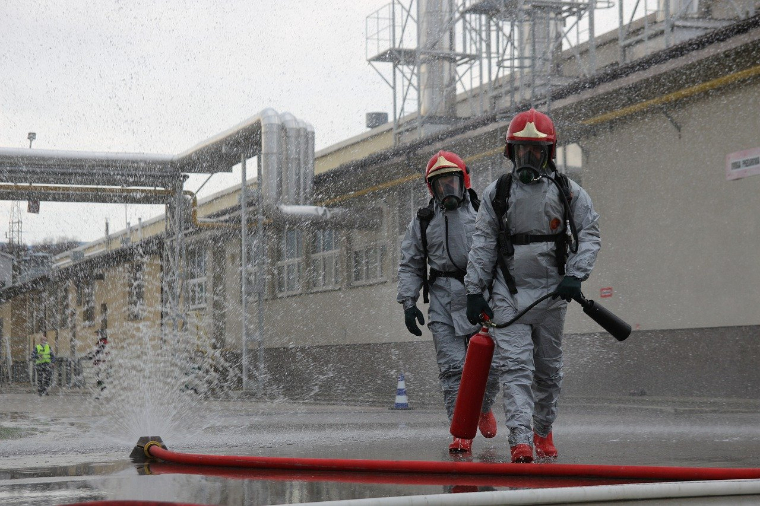
Pulp and Paper Industry
- Applications: Pumps, compressors, and processing equipment.
- Importance: It withstands high pressures and extreme temperatures, preventing hazardous fluid leaks and ensuring safety and sustainability.
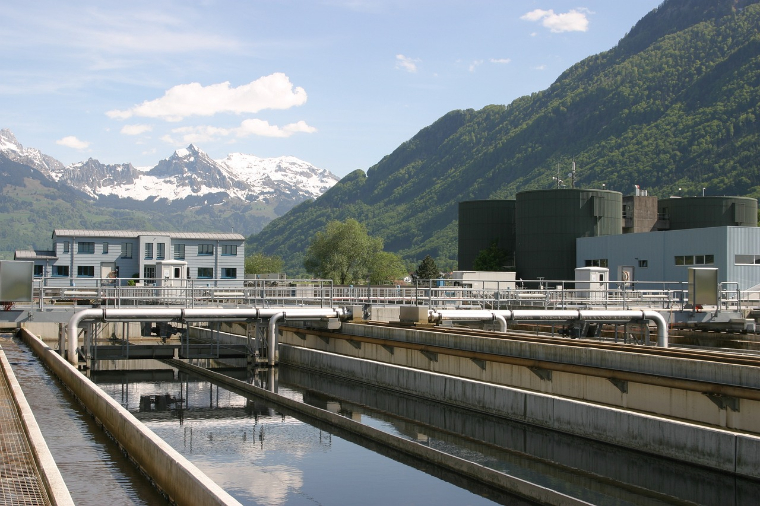
Wastewater and Clean Water Management
- Applications: Pumping systems, clarifiers, and desalination plants.
- Importance: They prevent leaks, resist aggressive chemicals, and ensure the efficiency of purification processes.

Pharmaceutical Industry
- Applications: Reactors, homogenizers, and process pumps.
- Importance: They comply with GMP regulations, ensuring product purity and facilitating cleaning.

Refrigeration Industry
- Applications: Compressors, refrigerant pumps, and cooling systems.
- Importance: They seal modern, eco-friendly refrigerants, ensuring energy efficiency and sustainability.

Polymer Industry
- Applications: Transfer pumps, extruders, reactors, and mixers.
- Reason: To withstand high temperatures, pressures, and viscous or abrasive fluids.