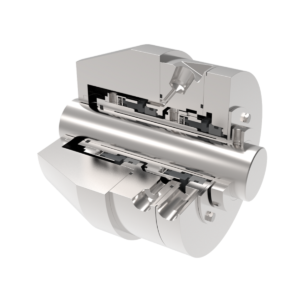
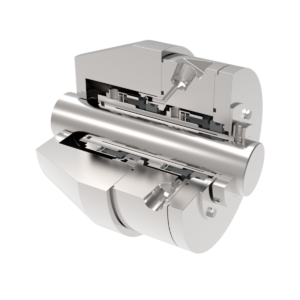
SPECIAL TASKS Special tasks are activities that require a particular approach and specific skills to be carried out successfully. In an industrial context, these tasks can involve handling machinery, implementing complex processes, or executing projects that demand meticulous attention to detail. I’ve had the chance to take part in various special tasks throughout my career, and I can say that proper planning and execution are essential for achieving optimal results. For example, when installing mechanical seals, it’s crucial to follow specific procedures to ensure everything works correctly and future problems are avoided.
Special Tasks Features
Special tasks are characterized by their complexity and the need for trained personnel. They often require specialized tools and equipment, as well as a deep understanding of the processes involved. In my experience, I’ve noticed that ongoing training is vital for carrying out these tasks effectively. Team collaboration is also essential, since these tasks often can’t be completed by a single person. On the other hand, the cost of performing special tasks can vary depending on the nature of the work and the resources needed. Although it can sometimes seem high, investing in well-executed tasks usually translates into significant long-term savings, avoiding costly problems and repairs.
Why Do Special Tasks Cost What They Do?
The price of special tasks can be a determining factor for many companies. This cost is justified by staff specialization, the quality of the materials used, and the time it takes to complete each task. Compared to more routine tasks, special tasks require a level of attention and skill that not all workers have. I’ve seen that although some companies opt for cheaper solutions, they often end up spending more on repairs due to poor execution quality. Investing in well-performed special tasks ensures processes are carried out efficiently and safely.
Comparing Special Tasks with Similar Services
When comparing special tasks with more conventional work, the difference in complexity and approach is clear. For example, while a standard task might involve simply installing a component, a special task might require a detailed analysis of operating conditions and customized solutions. In my projects, I’ve learned that choosing a provider who understands the specific nature of special tasks can make the difference between success and failure.
Pros and Cons of Special Tasks
Pros: Guaranteed quality: Special tasks are usually carried out by highly qualified personnel, ensuring quality work. Customized solutions: They adapt to the specific needs of each project, resulting in greater efficiency. Problem prevention: Properly performing special tasks can prevent costly future failures and repairs. Cons: High cost: They can be more expensive than standard tasks, which can be an obstacle for some companies. Time-consuming: Planning and executing special tasks often takes more time, which can affect delivery schedules.
Advantages of Special Tasks
Special tasks offer numerous advantages that make them valuable in industrial settings. One of the main ones is the ability to adapt to unique situations that can’t be addressed with standard solutions. This means that performing special tasks can optimize processes and improve overall productivity. The attention to detail put into these tasks also tends to result in higher customer satisfaction, something I’ve seen firsthand in my interactions with different companies.
Other Benefits of Special Tasks
Beyond the advantages mentioned, special tasks can contribute to staff training and development. By taking part in complex projects, workers gain new skills and knowledge they can apply in the future. This not only benefits employees but also improves the company’s ability to face challenges. In my experience, I’ve seen how companies that invest in special tasks also foster a culture of continuous learning, resulting in a more competent, motivated team.
Customer Opinions on Special Tasks
Reviews of special tasks tend to be very positive among those who have implemented them. Many highlight the importance of having trained personnel and the right tools to carry out these tasks. In my interactions with colleagues and clients, I’ve heard how properly executing special tasks has improved operational efficiency and reduced long-term costs. Customer satisfaction is a key indicator of how effective special tasks are, and overall, I’ve seen that companies that perform them well tend to receive praise and recommendations.
Frequently asked questions
What are special tasks?
Special tasks are activities that require specific skills and a particular approach due to their complexity.
Why are special tasks more expensive?
The cost is justified by staff specialization, material quality, and the time required to complete them.
Are special tasks necessary in every project?
Not every task requires a special approach, but in complex projects, using them can be crucial to success.
Conclusions on Special Tasks
In conclusion, special tasks are a fundamental part of many industrial and commercial processes. Carrying them out requires attention to detail, trained personnel, and an approach tailored to each project’s specific needs. Although they can involve a higher cost, long-term benefits such as guaranteed quality and problem prevention make the investment worthwhile. Throughout my experience, I’ve learned that special tasks not only improve operational efficiency but also contribute to staff development and customer satisfaction — key elements for any company’s success.